
Why High-Quality Physical Printing Still Matters in a Digital World
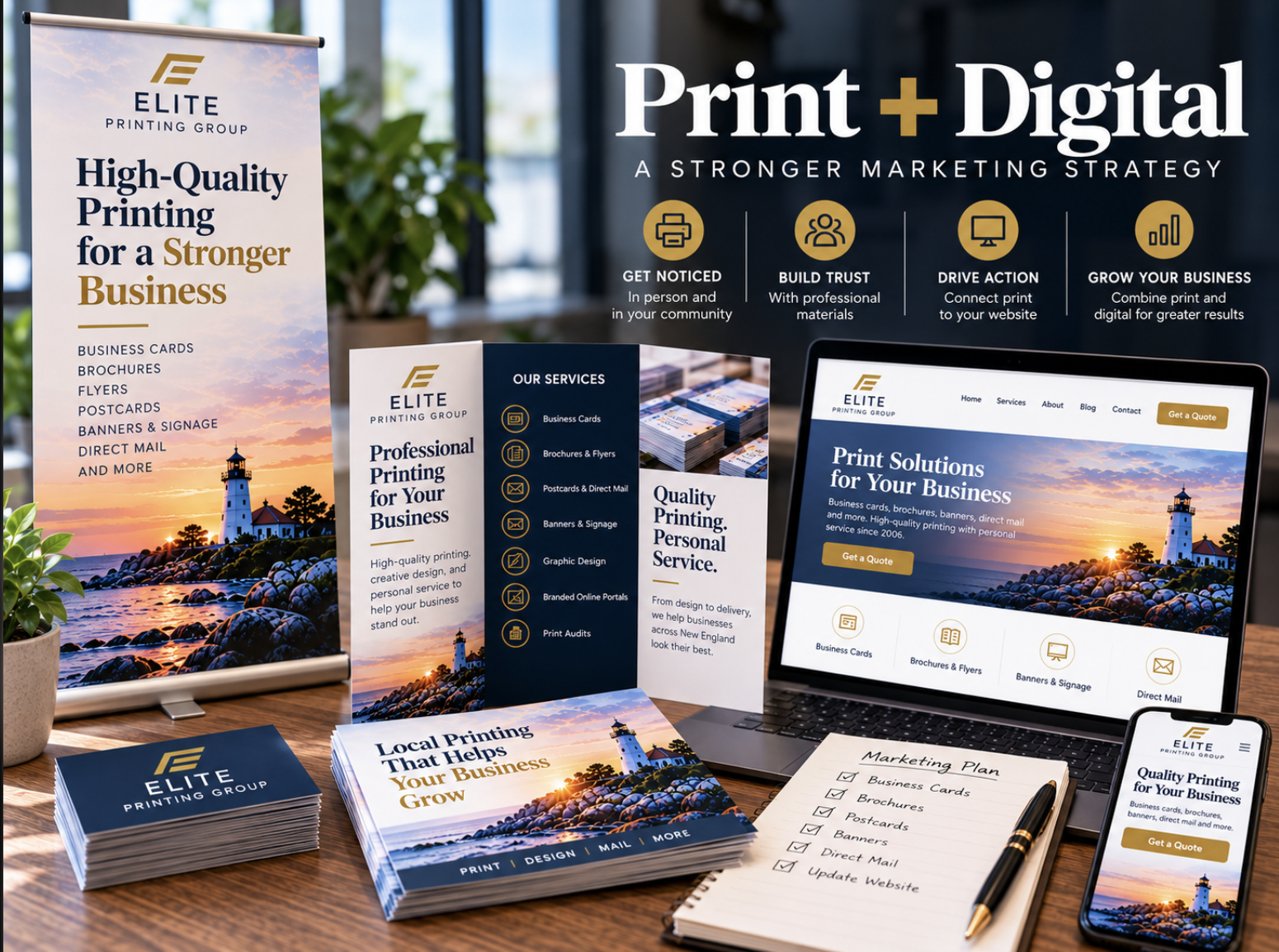
Businesses today have more ways to communicate with customers than ever before. Websites, email, search engines, social media, and digital advertising make it possible to share information quickly and reach audiences across different platforms.
With so much attention directed toward online marketing, it's reasonable to ask whether traditional printed materials still have a place in a modern business strategy.
For many organizations, the answer is yes.
Business cards, brochures, postcards, banners, and other professionally printed materials continue to serve practical purposes that digital communications don't always replace.
A business card can support a face-to-face introduction. A brochure can provide detailed information during a sales conversation. A promotional postcard can communicate an offer through the mail, while a banner can help identify a business at an event or physical location.
These applications don't mean printing is automatically better than digital advertising.
Instead, they demonstrate how physical printing can complement online marketing by providing information in formats customers can see, handle, share, and reference away from a screen.
For businesses in New Hampshire, throughout New England, and beyond, the most useful question isn't whether print or digital marketing is superior.
It's how each communication method can support the business's specific goals.
This guide explores why high-quality physical printing remains relevant, where it can provide practical value, and how to incorporate printed materials into a coordinated marketing strategy.
1. Physical Printing Creates a Tangible Customer Experience
One of the most obvious differences between printed and digital communications is that printed materials exist as physical objects.
A brochure can be handed to someone during a meeting, a business card can be placed in a wallet, and a postcard can be kept with other household correspondence.
This tangible format creates opportunities for interaction that differ from clicking a link or viewing a message on a screen.
For example, a professional service provider may use a printed brochure during a consultation to explain several offerings.
The customer can follow along, ask questions, and take the material home for additional review.
Similarly, a business owner attending a networking event can provide a card containing essential contact information without asking the recipient to open a particular application.
These are practical advantages, but they don't guarantee that recipients will keep or remember every printed piece.
The value depends on whether the material is relevant, easy to understand, and useful to the intended audience.
Physical Materials Can Support In-Person Conversations
During meetings, conferences, and customer visits, printed materials can provide a shared reference.
A representative can point to a particular service description, photograph, or example without requiring the customer to navigate a website.
Print Can Be Reviewed Later
A recipient may choose to keep a brochure or business card for future reference.
However, this depends on the usefulness of the information and the individual's preferences.
Tangibility Should Serve a Purpose
A thick brochure or elaborate paper finish isn't automatically more effective than a simple printed handout.
The goal should be to choose a format that supports how the customer is likely to use the information.
2. Printed Materials Support Professional First Impressions
Businesses often encounter customers in situations where a physical printed piece is part of the introduction.
A business card exchanged at a networking event, a brochure displayed in an office, or signage at a trade show can all influence how a company presents itself.
High-quality printing helps ensure that these materials look appropriate for their intended purpose.
This includes clear text, accurate colors within the selected printing process, suitable paper, and properly prepared artwork.
However, professional appearance comes from more than expensive materials.
A simple business card with readable typography and accurate information may be more useful than an elaborate design that makes contact details difficult to locate.
Clear Design Communicates Organization
A well-organized printed piece helps readers understand the company's message.
Consistent spacing, readable fonts, appropriate imagery, and a clear visual hierarchy can contribute to a more professional presentation.
Accurate Information Builds Clarity
Outdated phone numbers, incorrect addresses, and obsolete service descriptions can create confusion regardless of how attractive the material looks.
Reviewing content before production is therefore just as important as selecting the paper.
Consistent Branding Helps Recognition
Using approved logos, colors, and typography across business cards, brochures, and signage helps materials feel connected to the same organization.
For more guidance, read our article on Keeping Your Brand Consistent Across Printed Materials.
Professional printing doesn't establish a company's legitimacy by itself, but it can help present accurate information in a consistent and practical format.
3. Print Marketing Can Complement Digital Marketing
Print and digital marketing are often discussed as competing alternatives.
In practice, businesses can use them together.
A printed postcard can direct recipients to a website, an event banner can display an online registration destination, and a brochure can encourage customers to explore more detailed information digitally.
Each format serves a different purpose within the communication process.
Use Print to Introduce the Message
A printed piece can communicate a focused announcement, service description, or promotional offer.
Because space is limited, the message should prioritize the details most relevant to the recipient.
Use Digital Channels for Additional Information
A website can provide updated service descriptions, contact forms, appointment information, and other details that may not fit comfortably on a printed piece.
Rather than overcrowding a postcard with extensive copy, the business can direct readers to a relevant online page.
Create a Consistent Customer Experience
The messaging and branding should remain coordinated across both formats.
For example, if a direct mail postcard promotes a particular service, the destination webpage should accurately describe that offering.
A customer shouldn't encounter conflicting information when moving from print to digital.
Test QR Codes and Website Links
QR codes can provide a convenient connection between physical materials and online destinations.
However, they need to be tested before printing.
Make sure the destination is correct, mobile-friendly, and relevant to the printed message.
Where appropriate, include a readable website address as an alternative.
The goal is to make the transition between physical and digital communication straightforward for the customer.
4. High-Quality Printing Helps Businesses Present Information Clearly
The quality of a printed product affects more than appearance.
It can also influence whether the information remains easy to read and appropriate for its intended use.
A brochure with small, poorly contrasted text may be difficult to review, even if it was printed on premium paper.
Similarly, a large banner with excessive information may fail to communicate its message because viewers cannot read it from the intended distance.
Professional print design should begin with readability and purpose.
Typography Matters
Headlines, body text, and calls to action should establish a clear reading order.
Font sizes should reflect the intended viewing distance and audience.
Images Need Appropriate Resolution
Photographs should have suitable effective resolution for their printed dimensions.
The requirements for a close-viewed brochure may differ from those for a large-format graphic intended to be seen from farther away.
Paper and Finish Influence Presentation
Matte, gloss, coated, and uncoated papers can create different visual and tactile results.
The appropriate selection depends on the product, design, and intended use.
File Preparation Is Important
Incorrect bleed, dimensions, font handling, or export settings can affect the finished piece.
Businesses preparing artwork can benefit from reviewing their printing provider's file requirements before production.
For additional guidance, explore our article on Preparing Print-Ready Files.
5. Business Cards Still Serve a Practical Networking Purpose
Business cards remain useful in many professional settings.
They provide a compact way to share names, company information, and contact details during in-person interactions.
For example, a business owner attending a local chamber of commerce event may exchange cards with potential referral partners.
A sales representative meeting prospective customers at a trade show may distribute cards to support follow-up.
The value of the card comes from making future contact easier.
Keep Essential Information Clear
A business card should identify the person or company and provide practical contact methods.
Avoid overcrowding the design with unnecessary information.
Maintain Current Details
Employee names, phone numbers, email addresses, and website links should be accurate.
Outdated information can make a card less useful.
Consider the Recipient's Needs
Some recipients may appreciate a QR code linking to additional information, while others may prefer straightforward printed contact details.
A card can accommodate different preferences without becoming overly complicated.
For more guidance, read What Makes a Business Card Worth Keeping?.
6. Brochures and Flyers Provide Useful Information Away From a Screen
Brochures and flyers can serve as convenient references in situations where customers benefit from having printed information available.
A brochure may explain several services, while a flyer can communicate a focused announcement or event.
Both formats can support business activities without requiring the recipient to immediately access a digital device.
Brochures for Detailed Information
Brochures are useful when businesses need to organize several topics.
For example, a company may use separate sections to explain its services, approach, and contact information.
A folded format can help establish a logical sequence for readers.
Flyers for Focused Messages
Flyers are commonly used for event announcements, seasonal promotions, notices, and other information that can be communicated concisely.
A clear headline, essential details, and an appropriate call to action are often the most important elements.
Choose the Format Based on the Message
A brochure isn't automatically better than a flyer.
If the information is brief, a simple printed sheet may be sufficient.
If the recipient needs more context, a brochure may offer a more appropriate structure.
Elite Printing Group offers Small Format Printing Services for businesses preparing a variety of printed marketing materials.
7. Direct Mail Offers a Physical Communication Channel
Direct mail allows businesses to communicate with intended recipients through mailed printed materials.
Depending on the campaign, businesses may use postcards, letters, or other appropriate formats to share announcements, offers, invitations, or service information.
For example, a local business might mail postcards announcing a grand opening or a seasonal event.
A professional service provider could use an informational mailing to introduce an offering to a relevant audience.
However, the effectiveness of a mailing depends on factors such as the audience, message, design, timing, and response process.
Audience Relevance Matters
A carefully defined audience can help ensure that the mailing is appropriate to the campaign.
Sending more pieces doesn't automatically mean creating more valuable customer interactions.
A Clear Call to Action Is Important
Recipients should understand what the mailing is about and what they can do next.
That might involve visiting a website, contacting the business, or attending an event.
Postal Requirements Need Attention
Mail pieces may have specific requirements for dimensions, addressing, and other production details.
These should be considered before finalizing artwork.
Measurement Can Be Helpful
Campaign-specific landing pages, relevant response forms, or promotional codes may provide useful information about recipient activity.
However, no measurement method captures every interaction perfectly.
For more information, explore Elite Printing Group's Direct Mail Services and our Direct Mail Campaign Checklist.
8. Large-Format Printing Supports Visibility at Physical Locations and Events
Digital marketing can help people discover a business online, but physical locations and events often require printed materials that communicate directly within the environment.
Banners, posters, and other large-format graphics can help identify a business, announce an event, or communicate promotional information.
For example, a company participating in a regional trade show may use a large printed display to identify its booth.
A local organization hosting a fundraiser might need event signage, while a business preparing a seasonal promotion may use printed graphics in an appropriate display area.
Design for Viewing Distance
Large-format graphics should be readable from the location where viewers are expected to encounter them.
This often requires concise headlines, larger typography, and clear contrast.
Consider Indoor and Outdoor Conditions
A display used inside a conference center has different requirements from one exposed to outdoor weather.
Material selection, mounting, and installation conditions should reflect the intended environment.
Confirm Display Requirements
Before ordering, verify dimensions, property or venue rules, and any relevant installation restrictions.
For more guidance, explore our Large Format Printing Services and article on Indoor vs. Outdoor Banners.
9. Paper and Print Finish Can Influence How Materials Are Experienced
One distinguishing characteristic of physical printing is that customers can interact with the actual material.
Paper weight, surface texture, and finish can affect the way a brochure, business card, or other printed product feels.
A relatively lightweight flyer may be appropriate for a temporary event announcement.
A business card may benefit from a more substantial stock, depending on the intended presentation and budget.
A brochure featuring detailed photography may require different paper considerations from a text-heavy informational handout.
Paper Selection Should Match the Purpose
The most expensive paper isn't necessarily the most appropriate choice.
The intended use, expected handling, appearance, and available budget should guide the decision.
Matte and Gloss Offer Different Presentations
Matte finishes generally produce a less reflective appearance, while gloss finishes can emphasize the appearance of certain photographs and colorful graphics.
The final result depends on the specific material and printing process.
Consider Practical Handling
If recipients need to write on the printed material, confirm whether the selected stock or coating supports that requirement.
Certain coated surfaces may be less convenient for handwriting.
For a more detailed comparison, read Matte vs. Gloss: Choosing the Right Print Finish.
The goal is to choose materials that support the communication purpose rather than relying on decorative features alone.
10. Consistent Printed Materials Can Support Brand Recognition
A company's brand appears across many different customer interactions.
Someone might first discover the business through a website, later receive a promotional postcard, and eventually visit a trade show booth featuring the same company.
Using consistent visual elements across those interactions helps connect them.
Printed materials should therefore reflect the organization's approved logos, colors, typography, and messaging.
Use Current Brand Assets
Avoid creating new artwork from outdated logos or low-resolution images when approved files are available.
Maintain Consistent Messaging
Service descriptions and important business information should match the company's current offerings.
Adapt Designs for Each Format
A business card, brochure, and banner cannot always use identical layouts.
However, they can share recognizable brand elements.
Review Frequently Used Materials
Printed products can remain in circulation after branding or contact information changes.
Reviewing them before reordering helps reduce the use of outdated versions.
Consistency is a practical part of maintaining an organized marketing presence.
11. Print and Digital Marketing Have Different Limitations
An effective marketing strategy should recognize the advantages and limitations of both physical and digital communication.
Print materials can be handed directly to customers and used in physical environments, but they require production and distribution.
Digital content can often be updated more quickly and accessed remotely, but it may depend on devices, connectivity, or the platforms through which people discover it.
Neither channel is universally superior.
Print May Be Appropriate When:
- Customers need materials to reference during in-person conversations.
- A business attends trade shows or community events.
- Physical locations require signs or promotional displays.
- A campaign involves mailed communication.
- Tangible materials help support a particular customer interaction.
Digital May Be Appropriate When:
- Information changes frequently.
- Customers need immediate access to extensive details.
- The business wants to provide interactive online functionality.
- Campaigns require rapid updates.
- The message is intended for digital-first distribution.
Businesses can also combine the two approaches.
For example, a direct mail postcard may introduce an offer, while a website provides updated details and a convenient response method.
The most useful strategy depends on the audience, message, budget, and intended action.
12. Plan Printing Around Business Goals Rather Than Assumptions
High-quality printing should support a clear business objective.
Ordering printed materials without considering how they'll be used can create unnecessary expense or unused inventory.
Before beginning a project, determine the intended audience, purpose, distribution method, and expected quantity.
Identify the Communication Goal
Is the material intended to introduce a service, support customer conversations, promote an event, or encourage inquiries?
Select the Appropriate Product
Choose a format that supports the amount of information and the intended distribution method.
Estimate Realistic Quantities
Consider expected demand, previous usage, and how long the information will remain current.
Establish a Practical Budget
Review the total project requirements, including design, printing, finishing, and delivery where relevant.
Confirm Timing
Production and shipping requirements vary by project.
Communicate the actual deadline when requesting a quote.
Review Results When Appropriate
For campaigns with a defined objective, consider which response information may help guide future decisions.
Planning helps make printing part of the broader marketing strategy rather than an isolated purchase.
13. How to Choose a Commercial Printing Partner
When selecting a commercial printing provider, businesses should consider more than the initial price.
The appropriate partner should understand the intended use of the project and be able to discuss available production options.
Useful questions include:
- What printing products are available for the intended project?
- Which paper stocks or finishing options are appropriate?
- What artwork specifications are required?
- Is graphic design assistance available if needed?
- How are proofs and approvals handled?
- What are the expected production and delivery requirements?
- What information is needed to prepare an accurate quote?
- How should recurring orders be managed?
The answers will depend on the provider and the specific project.
For businesses with recurring printing needs, clear communication and organized artwork can make future projects easier to coordinate.
A thoughtful printing partner can help identify appropriate options without relying on unsupported promises about results or production capabilities.
High-Quality Printing Checklist for Businesses
Before investing in printed marketing materials, review the following:
Strategy and Purpose
- The printed piece supports a specific communication goal.
- The intended audience has been identified.
- The distribution method is appropriate.
- The selected format fits the message.
- The quantity reflects expected use.
Design and Branding
- The design uses current, approved brand assets.
- Text is readable at the finished size.
- Important information has sufficient visual contrast.
- Images are suitable for their intended printed dimensions.
- The primary call to action is clear.
- Contact information and other details are accurate.
Production and Materials
- Finished dimensions have been confirmed.
- Paper and finishing options suit the intended use.
- Artwork follows the printing provider's specifications.
- Required bleed and safe margins have been considered.
- The final exported file has been reviewed.
- Production and delivery requirements have been discussed.
Campaign Integration
- Website links and QR codes have been tested.
- Printed messaging matches relevant digital information.
- Customer response methods are practical.
- Appropriate campaign results can be reviewed where useful.
Not every project requires every consideration, but this checklist offers a starting point for selecting and preparing printed materials more deliberately.
Physical Printing Still Has a Role in Modern Business Marketing
Digital marketing has transformed how businesses communicate, but it hasn't eliminated every situation where physical printing is useful.
Business cards support introductions. Brochures provide information during customer conversations. Postcards allow businesses to communicate through direct mail. Banners and signage help identify organizations in physical spaces.
The value of these products comes from how well they serve their intended purpose.
High-quality printing combines appropriate materials, clear design, accurate information, and thoughtful production planning.
Rather than treating print as a replacement for digital marketing, businesses can use it as another communication tool within a coordinated strategy.
The most effective approach is to choose the medium that fits the message and the customer interaction—whether that's print, digital, or a combination of both.
When printed materials are relevant, readable, and professionally prepared, they can continue to play a useful role in how businesses present themselves and communicate with customers.
Explore Commercial Printing With Elite Printing Group
Since 2006, Elite Printing Group has provided commercial printing, graphic design, and personalized service to businesses and organizations. Based in the Seacoast of New Hampshire, we serve customers throughout New England and offer nationwide shipping.
Whether you're preparing business cards, brochures, direct mail postcards, event banners, or other printed marketing materials, our team can help you discuss your project requirements and available options.
Explore our Small Format Printing Services, Large Format Printing Services, Direct Mail Services, and Graphic Design Services.
When you're ready to discuss your next project, Get a Quote.
Ready to Discuss Your Next Print Project?
Contact our team in the Seacoast of New Hampshire for commercial printing, graphic design, and direct mail solutions tailored to your business.
Get a Free Quote