
How to Request an Accurate Commercial Printing Quote
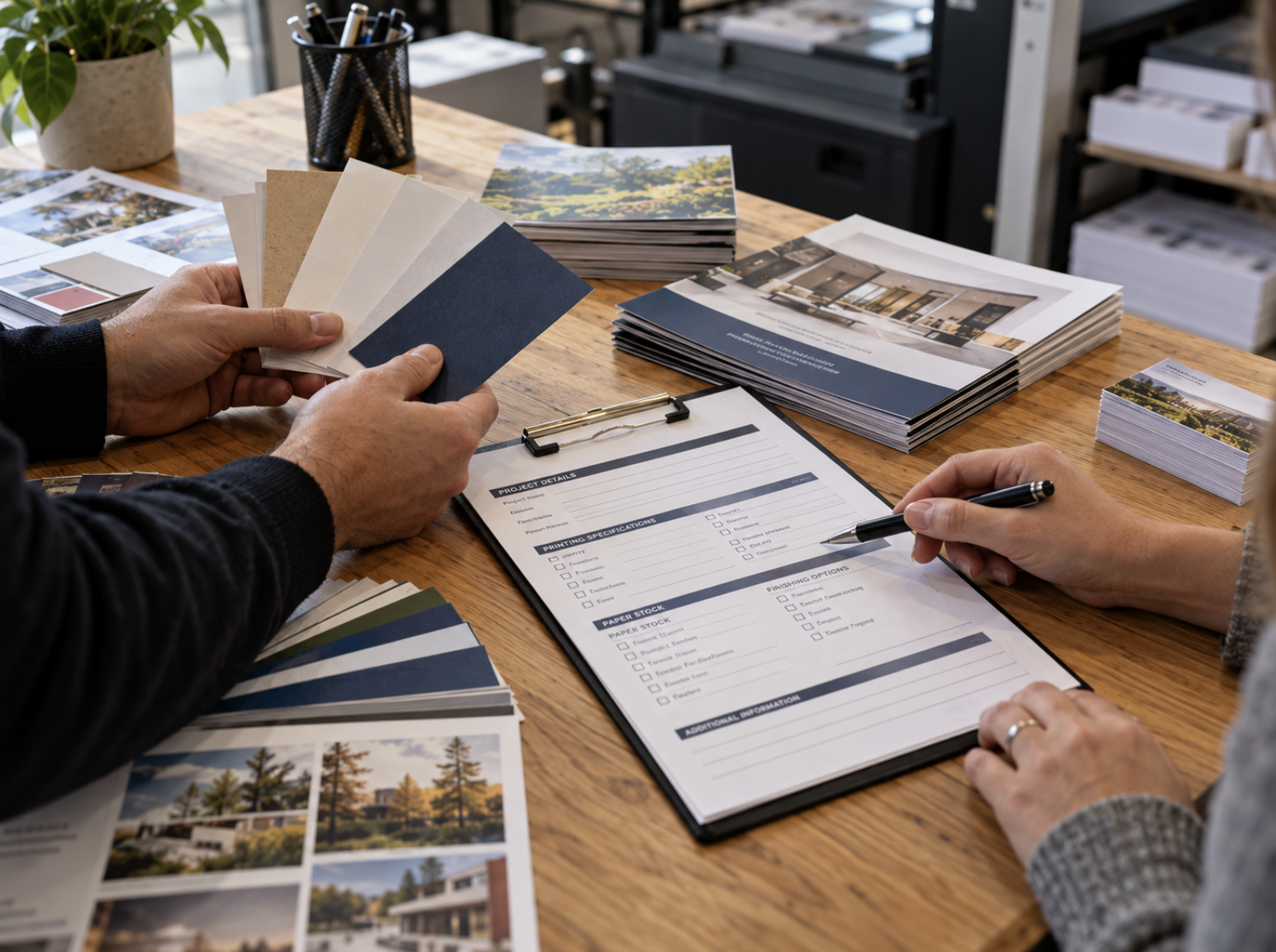
Whether you're ordering a new set of business cards, preparing brochures for an upcoming event, or planning a direct mail campaign, getting an accurate printing quote is an important first step. The more information you can provide about your project, the easier it is for your printing partner to recommend suitable materials, explain your options, and prepare an estimate that reflects what you actually need.
You don't have to know every technical detail before reaching out. In fact, helping customers navigate paper stocks, printing methods, finishing options, and production requirements is part of what an experienced commercial printer does. However, understanding a few basic specifications can make the quoting process smoother and help avoid unexpected changes later.
Below are the key details to consider when requesting a commercial printing quote.
1. Describe the Type of Printed Material You Need
Start by explaining what you're looking to produce and how you plan to use it. Common commercial printing projects include business cards, brochures, flyers, postcards, presentation folders, promotional materials, banners, and signs.
The intended purpose of your project can be just as important as the product itself. For example, a brochure distributed at a trade show may require different paper and finishing options than one intended for a high-end sales presentation. Similarly, a temporary promotional banner has different requirements than signage designed for extended outdoor use.
If you're not sure which format is best, describe your goals and audience. A commercial printer can help you evaluate practical options based on how the finished materials will be distributed, displayed, or handled.
For smaller marketing materials, explore our small format printing services. For banners, posters, and signage, learn more about our large format printing options.
2. Provide the Finished Size and Dimensions
The dimensions of your printed materials directly affect production requirements and pricing. When requesting a quote, provide the finished width and height whenever possible.
For straightforward projects like business cards or postcards, standard sizes may be appropriate. More involved projects, including folded brochures, presentation folders, and custom marketing pieces, may require additional measurements.
For example, a tri-fold brochure has both a flat size before folding and a finished size after folding. Providing these details helps your printer understand the intended layout and determine the appropriate production specifications.
If you're requesting banners or signage, it's also helpful to explain where the finished product will be displayed. A large graphic intended for a trade show booth may require different materials and finishing than an outdoor banner attached to a fence.
Don't worry if you haven't settled on exact dimensions. Sharing a reference image, an existing printed sample, or a description of the intended application can provide a useful starting point.
3. Estimate How Many Pieces You'll Need
Quantity is another major factor in commercial printing estimates. Depending on the product and production method, ordering a larger quantity may reduce the cost per piece, although the total project cost will generally increase.
Think about how many materials you realistically expect to distribute. A business ordering brochures for an upcoming event may only need enough for anticipated attendees, while a company that regularly distributes marketing materials might benefit from a larger print run.
If you're deciding between quantities, ask for multiple pricing options. Comparing estimates for different order sizes can help you understand the cost difference and choose an approach that makes sense for your budget.
It's also worth considering how long the information will remain accurate. Materials containing prices, promotional offers, employee details, or event dates may become outdated more quickly than general company brochures. Ordering more than you can reasonably use isn't always the most economical decision.
4. Choose Your Paper Stock and Finishing Options
Paper selection has a significant influence on the appearance, feel, and cost of printed materials. Different projects call for different paper weights, textures, coatings, and finishes.
For example, a lightweight paper may be suitable for an informational flyer, while a heavier cardstock might be preferable for business cards or premium invitations. Gloss-coated papers can help emphasize colorful photography, while matte finishes often provide a more understated appearance with less glare.
Finishing requirements should also be discussed when requesting your quote. Depending on the project, these could include folding, scoring, cutting, binding, drilling, or other finishing processes.
These decisions affect both the finished product and the production process, so it's helpful to identify any preferences early.
If you're unfamiliar with paper terminology, simply describe the look and feel you're hoping to achieve. You can also ask whether samples are available to help compare options before making a final decision.
5. Let Your Printer Know Whether Your Artwork Is Ready
Another important detail is whether you already have a completed design or need assistance creating one.
If you've worked with a graphic designer and have print-ready artwork, mention the file format and whether it has been prepared according to professional printing specifications. High-quality PDF files are commonly used for commercial printing, although exact file requirements depend on the project.
Files may need appropriate image resolution, color settings, embedded fonts, and bleed areas to produce the intended result. A design that looks excellent on a computer screen isn't necessarily ready for commercial printing without adjustments.
If your artwork is incomplete, outdated, or hasn't been created yet, discuss that during the quoting process. Design and file preparation can affect the overall scope of the project, so identifying these needs upfront helps prevent surprises.
Elite Printing Group also provides graphic design services for businesses that need help developing or preparing their printed materials.
6. Include Your Deadline and Delivery Requirements
Production timelines can vary depending on the product, quantity, finishing requirements, and current production schedule. That's why it's important to communicate when you need your materials rather than assuming every printing project has the same turnaround time.
If you're preparing for a trade show, grand opening, fundraising event, or marketing campaign, share the date the materials must be available. This allows your printing partner to evaluate the project requirements and discuss realistic production options.
You'll also want to explain how you plan to receive or distribute the finished materials. Depending on your project, that might involve local pickup, shipping, or direct mail preparation.
For projects involving mailing, remember that printing and postal delivery are separate parts of the timeline. Address preparation, mailing requirements, and postal processing should be considered when establishing your schedule.
Elite Printing Group serves businesses throughout New England and offers nationwide shipping, making it possible to coordinate projects beyond the immediate Seacoast area.
7. Review the Details Before Approving Your Quote
Once you receive an estimate, take a moment to review what it includes. Two printing quotes may appear similar while reflecting different paper stocks, quantities, finishing requirements, or delivery arrangements.
Before approving a project, confirm that the estimate reflects your intended specifications. Pay particular attention to the finished dimensions, quantity, paper selection, finishing options, artwork requirements, and any applicable shipping or mailing services.
If something isn't clear, ask for clarification. Reviewing these details before production begins is far easier than correcting a misunderstanding after materials have already been printed.
Commercial Printing Quote Checklist
Before contacting your printer, gather as much of the following information as you can:
- Product type: Business cards, brochures, flyers, postcards, banners, signage, or another printed item.
- Finished dimensions: The intended size, including flat and folded dimensions when applicable.
- Quantity: The number of pieces needed or quantities you'd like to compare.
- Paper or material preferences: Desired weight, texture, coating, or other specifications.
- Finishing requirements: Folding, scoring, binding, cutting, mounting, or other applicable options.
- Artwork status: Whether your design is completed, needs adjustments, or still needs to be created.
- Deadline: The date you need the finished materials.
- Delivery requirements: Pickup, shipping, or direct mail distribution.
You don't need to have every answer ready. Even a general description of your project can help start a productive conversation.
Ready to Get Started With Your Next Printing Project?
A successful commercial printing project begins with clear communication. Taking a little time to define your goals, quantities, material preferences, and timeline can make the quoting process more efficient and help ensure the finished product meets your expectations.
Since 2006, Elite Printing Group has provided commercial printing, graphic design, and direct mail services with a focus on personalized customer service. Based in the Seacoast of New Hampshire, we serve businesses throughout New England and ship nationwide.
Whether you have print-ready artwork or are still exploring your options, we're here to help you take the next step.
Get a Quote to tell us about your project.